Best Tips For Buying Land: Your Ultimate Guide
  Choosing The Right Divorce Lawyer In Arlington VA Today
 In recent years, the real estate market has emerged as a dynamic landscape, shaped by evolving consumer preferences, technological innovations, and economic shifts. Whether you’re a first-time homebuyer, a seasoned investor, or simply exploring the complexities of property ownership, understanding the fundamentals of real estate is crucial. This article delves into the current trends and challenges of the market, providing insights that can help navigate the often intricate world of buying, selling, and investing in properties.
As urbanization continues to reshape living patterns and remote work alters traditional office space demands, the real estate sector is adapting to unprecedented change. From the rising popularity of smart homes to the impact of sustainability on property values, the way we view and interact with real estate is evolving. Join us as we analyze key factors influencing the market today and discuss strategies to make informed decisions in your real estate endeavors.
Market Adaptations to Remote Work
The shift towards remote work has significantly transformed the real estate market, prompting consumers to reassess their needs and preferences. As professionals find flexibility in their work arrangements, the demand for homes that accommodate home offices and provide ample living space has surged. This has led to increased interest in suburban and rural properties, where buyers often seek larger homes at comparatively lower prices than urban centers. With this trend, potential buyers are urged to stay informed about market fluctuations and emerging neighborhoods, which can offer great investment opportunities for those looking to make the most of their real estate endeavors. For more insights on current market conditions, check out HometownStation.com.
Emphasis on Sustainability
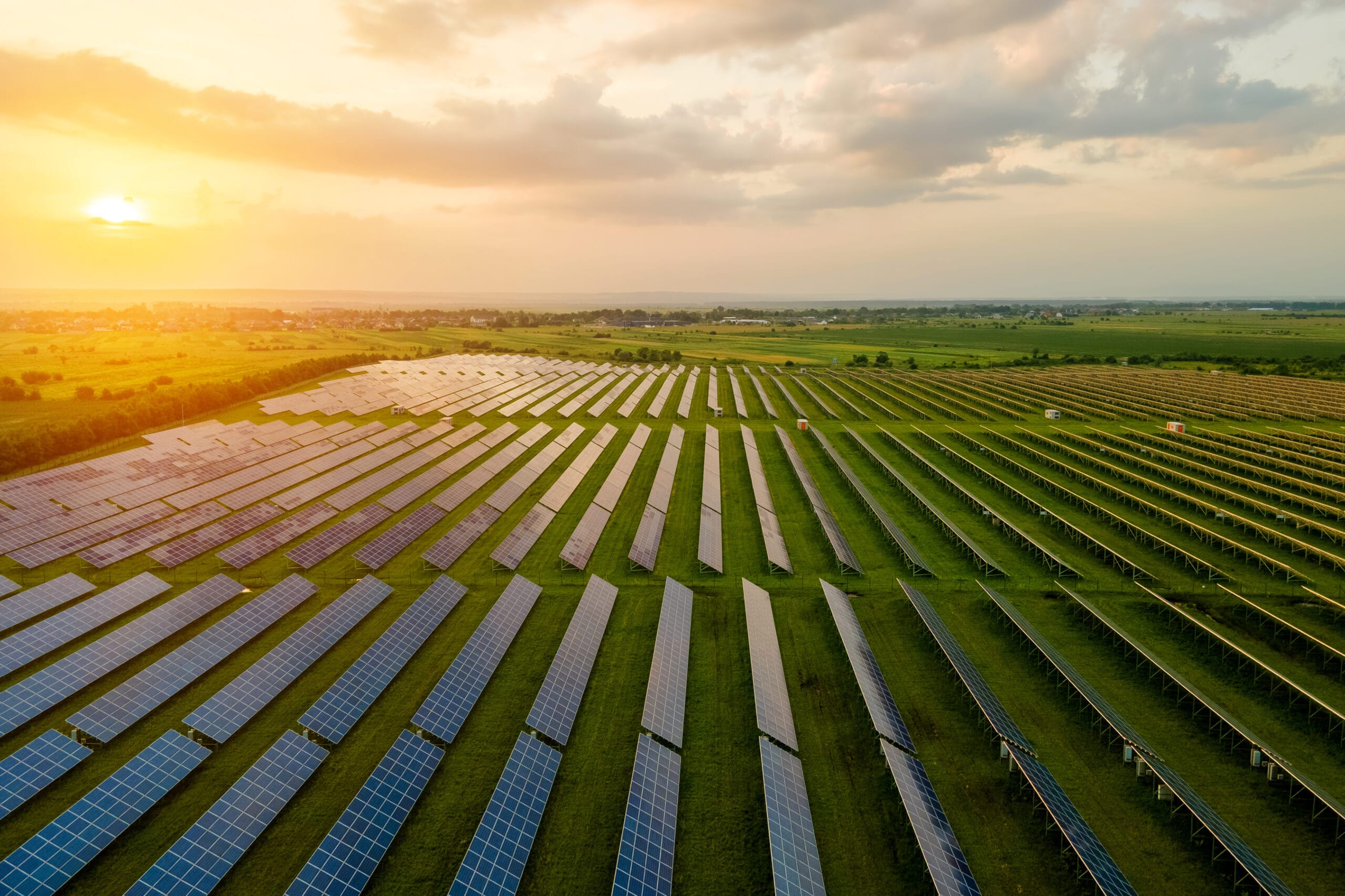
Sustainability has become a driving force in real estate, influencing everything from design and construction to buyer preferences. As environmental awareness heightens, buyers are increasingly prioritizing energy-efficient homes, sustainable materials, and properties with green certifications. This shift not only supports eco-friendly initiatives but also often enhances property values, making sustainable homes more attractive investments. Developers are responding by integrating green technologies and sustainable practices into their projects, thereby creating a market that not only caters to consumer demand but also contributes positively to the environment. As these trends continue to evolve, understanding the implications of sustainability on real estate can provide a competitive edge for investors and buyers alike.
In conclusion, the real estate market is undergoing significant transformations driven by shifts in work patterns and an increasing emphasis on sustainability, fundamentally altering how we view property ownership and investment. As more individuals prioritize flexible living spaces and environmentally friendly features, opportunities arise for investors who are attuned to these changes. By staying informed about emerging trends and consumer preferences, potential buyers and seasoned investors alike can navigate the complexities of the market more effectively. Embracing technological advancements, sustainability practices, and an understanding of shifting demographics will not only enhance property values but may also lead to a more responsible and rewarding real estate experience in this ever-evolving landscape.