How To Connect With Real Estate Clients: Top Tips
  Choosing The Right Divorce Lawyer In Arlington VA Today
 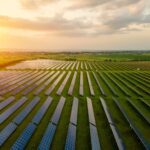 How To Lease Land For Solar: A Step-By-Step Guide
  Easy Ways To Choose The Perfect Showerhead For Your Home
 As the world shifts toward renewable energy sources, solar power has emerged as a leading contender in the quest for sustainable solutions. Leasing land for solar energy production has become increasingly popular, allowing landowners to generate revenue while contributing to the growth of clean energy infrastructure. This practice not only provides a viable financial opportunity for property owners but also plays a crucial role in the transition to a low-carbon economy.
In this article, we will explore the ins and outs of leasing land for solar projects, including key considerations for landowners, the benefits of solar leases, and the impact of solar farms on local communities and ecosystems. By understanding the leasing process, potential challenges, and environmental benefits, landowners can make informed decisions that support both their financial interests and the planet’s future.
Key Considerations for Landowners
When contemplating leasing land for solar energy projects, landowners must consider various factors, including location, land usage, and lease terms. The suitability of land for solar development often hinges on factors such as sunlight exposure, existing zoning regulations, and proximity to power lines for connection to the grid. Engaging with professionals who specialize in solar leasing can provide valuable insights into potential revenue streams and help navigate the complexities of contracts. Resources like KevinFrancisDesign.com offer guidance on the legal and financial aspects of solar leases, enabling landowners to make informed decisions that can enhance their income while fostering sustainability.
Impact on Local Communities and Ecosystems
Solar farms often yield significant benefits for local communities, including job creation during installation and ongoing maintenance operations. Additionally, the transition to solar energy can lead to reduced air pollution and diminished reliance on fossil fuels. However, landowners should also be aware of potential ecological impacts, such as land displacement for wildlife or changes to the local landscape. It is essential to conduct thorough environmental assessments and engage with community stakeholders to ensure that solar projects contribute positively to both the economy and the local environment. Such collaboration can help mitigate concerns and highlight the role of solar energy in advancing community resilience towards climate change.
In conclusion, leasing land for solar energy production presents a compelling opportunity for landowners to not only enhance their financial portfolios but also contribute meaningfully to the urgent transition to renewable energy. By carefully considering the specific factors involved in the leasing process, such as land suitability and community engagement, property owners can ensure that their involvement in solar projects yields both economic and environmental benefits. As renewable energy continues to take center stage in combating climate change, the role of landowners in facilitating this transition cannot be overstated. By embracing solar leasing, they can help pave the way for a sustainable future, driving technological advancement while fostering healthier communities and ecosystems.