 Ultimate Guide To Effective Dental Care
 Ultimate Apartment Locators Guide: Find Your Perfect Home
 Test Post from API
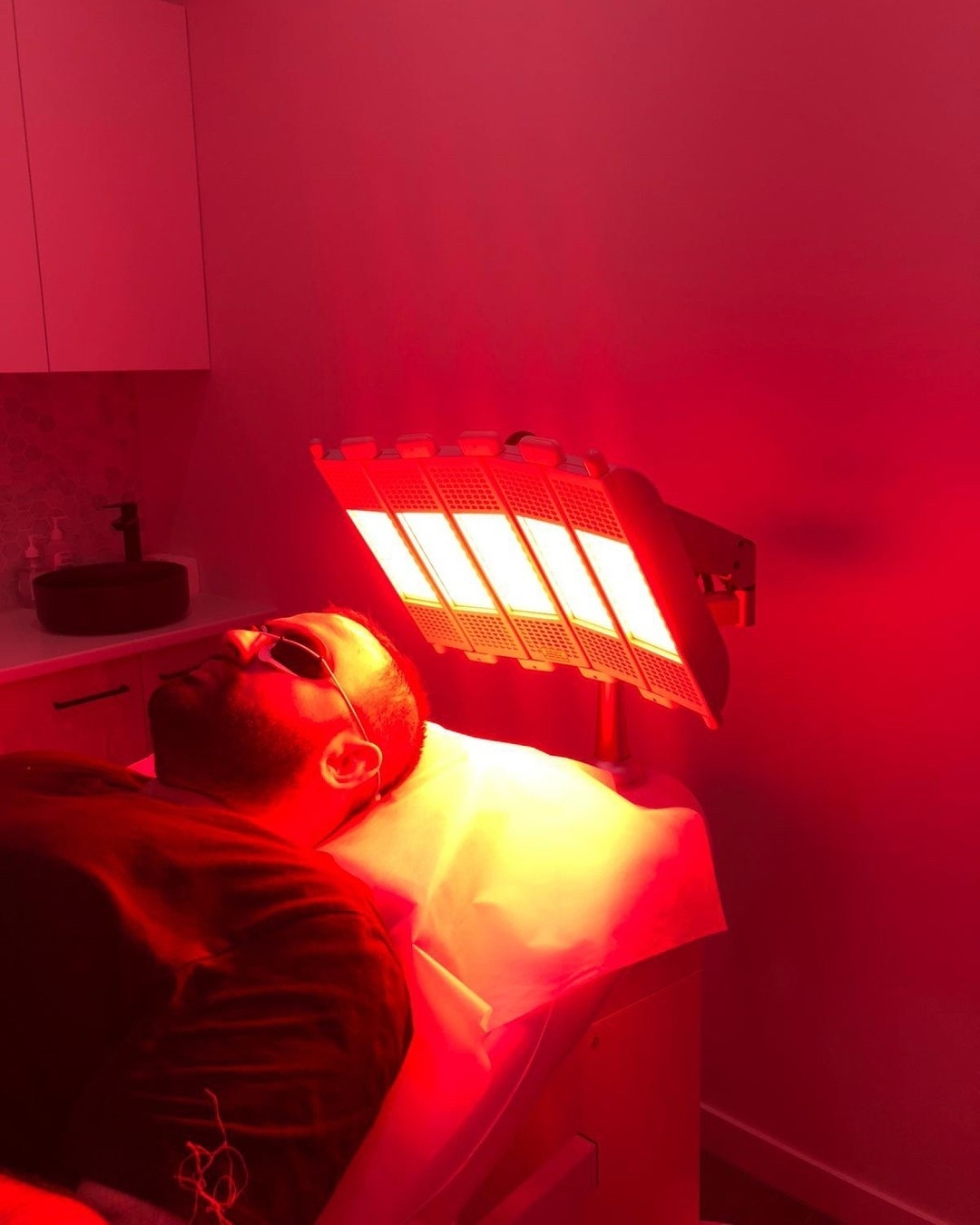
Red light therapy (RLT) is an innovative treatment that has gained traction in recent years for its potential to promote healing, reduce inflammation, and improve overall skin health. Utilizing low-level wavelengths of red light, this non-invasive therapy stimulates cellular function, leading to enhanced regeneration and repair processes. As research continues to unveil its numerous benefits, RLT is becoming a sought-after option for individuals looking to elevate their wellness, manage pain, and rejuvenate their appearance.
In this article, we will explore the science behind red light therapy, how it works at the cellular level, and the various conditions it may help address. From its application in dermatology to its role in sports medicine, red light therapy presents a promising avenue for both aesthetic and therapeutic objectives. Join us as we delve into the evidence supporting its efficacy, potential side effects, and practical applications in everyday life.
Understanding the Mechanism of Red Light Therapy
Red light therapy operates on the principle of photobiomodulation, where specific wavelengths of light, typically in the red to near-infrared spectrum, penetrate the skin and are absorbed by mitochondrial chromophores. This absorption stimulates the production of adenosine triphosphate (ATP), the energy currency of cells, enhancing cellular energy and promoting various biological processes. As a result, it can improve tissue oxygenation, accelerate healing, and reduce oxidative stress, making it a valuable tool for managing conditions such as arthritis and muscle soreness. The applications range from improving skin elasticity and reducing wrinkles to aiding post-exercise recovery, highlighting the versatility of this non-invasive treatment. Interested individuals can explore Red Light Therapy for Wellness to discover its extensive benefits.
Red Light Therapy in Clinical Settings
Clinically, red light therapy is being adopted in various fields, including dermatology, dentistry, and physical therapy. Its ability to promote collagen production makes it an attractive choice for treating acne scars, signs of aging, and other skin imperfections. Additionally, practitioners in sports medicine leverage RLT for its anti-inflammatory and analgesic properties, making it effective in treating sports injuries and enhancing recovery times. With ongoing research backing its efficacy, RLT is poised to become a staple in both health and wellness regimens, appealing to those looking for holistic and effective treatment options.
In conclusion, red light therapy is emerging as a versatile and innovative treatment modality that harnesses the power of light to promote healing and enhance wellness across various domains. Its ability to stimulate cellular energy production and modulate biological processes makes it an appealing option for individuals seeking both aesthetic enhancements and therapeutic relief from a myriad of conditions. As more studies validate its safety and efficacy, red light therapy is expected to find a permanent place in mainstream healthcare, bridging the gap between advanced science and holistic health practices. As we continue to explore its applications and benefits, it is clear that RLT represents not just a trend, but a significant advancement in our approach to health, recovery, and overall well-being.